
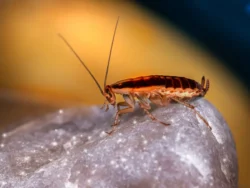
Flipping on the kitchen light and watching a dark shape scatter across the floor is a nightmare many Florida residents know all too well. If you live in the Sunshine State, encountering a cockroach feels almost inevitable — because roaches in Florida have every environmental advantage they need.
Florida’s heat, humidity, and landscape combine to create near-perfect conditions for cockroach survival and reproduction. Understanding what drives these infestations is the first step toward reclaiming your home for good.
This guide breaks down exactly why roaches thrive in Florida’s climate, the specific species you’re most likely to encounter, the warning signs of an infestation, and the most effective prevention strategies to keep your home pest-free.
Why Roaches Thrive in Florida
Florida offers a unique combination of environmental factors that allow cockroach populations to explode. The state’s famous heat and humidity create an endless breeding season. While pests in northern states die off or go dormant during winter, Florida’s mild winters allow roaches to remain active year-round.
Beyond the climate, Florida’s dense urban and suburban ecosystems provide endless food and shelter. Extensive sewer systems, lush tropical landscaping, and closely spaced housing give these pests everything they need to establish colonies and move freely between properties.
Seasonal weather patterns also play a major role. During the summer wet season and hurricane season, heavy rains flood outdoor habitats and drive large numbers of roaches directly into dry, climate-controlled homes. Pest technicians at McCall Pest & Wildlife see this surge every year across service areas from Jacksonville to Tampa to Naples.
Common Roach Species Found in Florida
Not all cockroaches behave the same way — and knowing which species you’re dealing with is the first step toward effective control. Here’s a breakdown of the most common invaders across the state:
| Species | Appearance | Primary Habitat | Can It Fly? |
|---|---|---|---|
| American | Large (up to 3 in.), reddish-brown | Sewers, mulch, trees, wall voids | Glides / short distances |
| German | Small (0.5 in.), light brown with two dark stripes | Kitchens, bathrooms, appliances | No |
| Smokybrown | Dark mahogany, shiny (1.5 in.) | Tree holes, attics, gutters | Yes — strong flier |
| Oriental | Dark brown to black, shiny (1 in.) | Damp basements, drains, leaf litter | No |
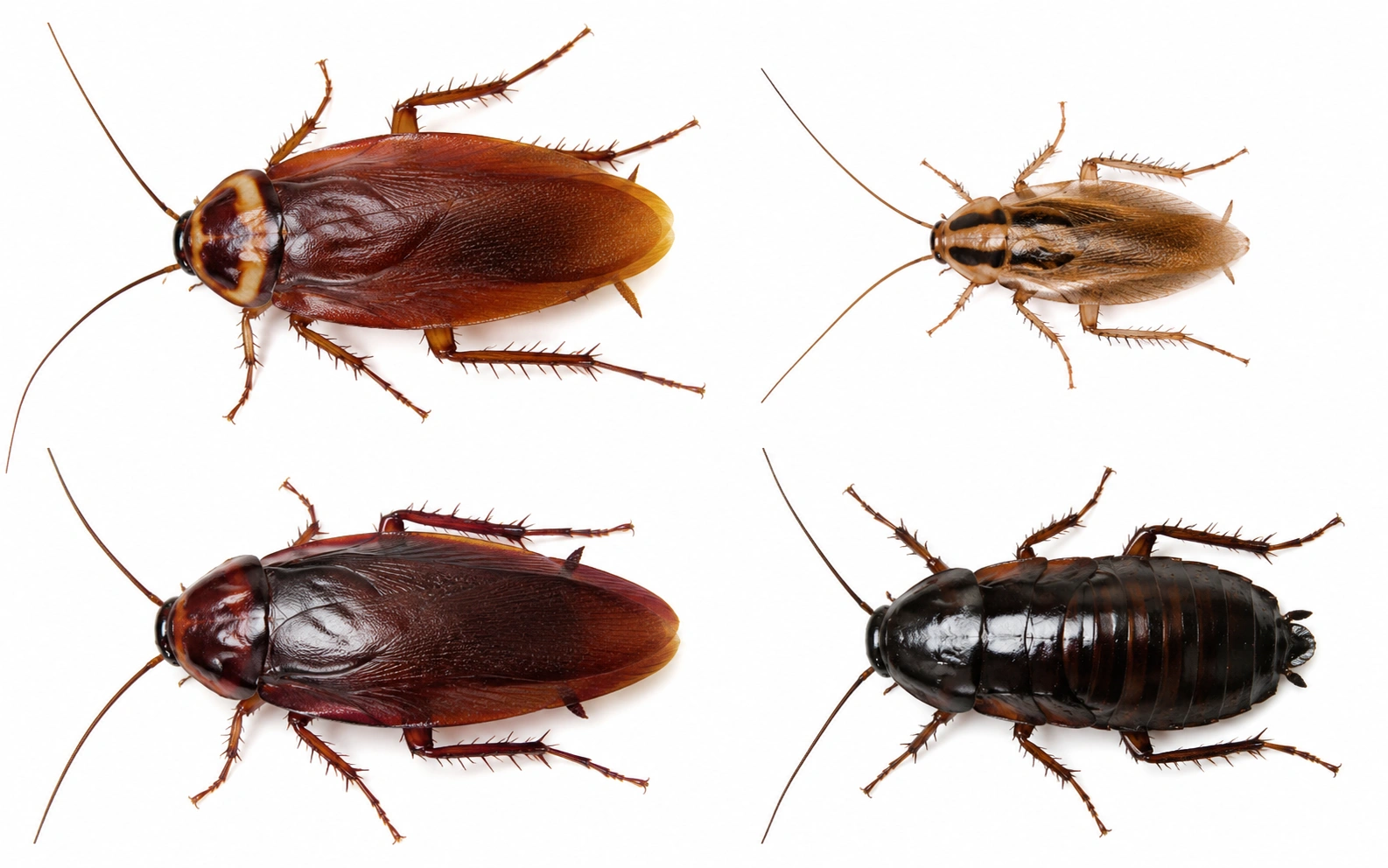
American Cockroach (Periplaneta americana)
Often called a “palmetto bug,” the American cockroach is the largest species you’ll find inside your home. These roaches typically live outdoors in hollow trees, palm fronds, and sewer systems. However, heavy rains or extreme heat quickly drive them indoors through gaps in exterior walls, floor drains, and plumbing penetrations.
German Cockroach
The German cockroach is the most severe indoor pest on this list. Unlike other species, it relies entirely on human habitats to survive. German roaches reproduce at an astonishing rate — a single female can produce hundreds of offspring in her lifetime — so a minor issue can escalate into a massive infestation within weeks. You’ll typically find them hiding near warm appliance motors, like behind the refrigerator or inside the dishwasher.
Smokybrown Cockroach
These roaches are heavily dependent on high moisture levels and prefer wooded areas and heavily mulched gardens. They are excellent climbers and frequently enter homes through the roofline, establishing nests in attics and soffits. Florida’s tropical landscaping placed directly against homes creates a natural bridge for this species.
Oriental Cockroach
Often called “waterbugs,” Oriental cockroaches thrive in the dampest environments. They emit a strong, foul odor and typically invade lower levels of a home, crawling up through floor drains or squeezing under poorly sealed exterior doors.
What Makes Florida an Ideal Habitat for Roaches
Pest technicians at McCall hear the same question across the state: why are roaches so common in Florida? The environment is simply perfect for them in several overlapping ways:
- Warm, Humid Conditions: Cockroaches absorb moisture through their bodies. Florida’s constant humidity prevents them from drying out, allowing them to stay active even without direct access to water sources.
- Abundance of Moisture & Food Sources: Spilled pet food, overflowing garbage cans, and leaky outdoor faucets provide an endless buffet. Florida homes that leave any food source accessible overnight are at particular risk.
- Tropical Landscaping: Florida homes often feature lush plants placed directly against the foundation, creating a shaded, moist pathway straight to your exterior walls. Thick mulch beds amplify the problem by retaining heat and moisture.
- Dense Housing & Sewer Systems: In suburban neighborhoods, connected townhomes, apartments, and extensive underground storm drains allow colonies to easily travel from one property to the next without exposure to outdoor conditions.
Seeing Roaches in Your Florida Home?
McCall’s cockroach control experts identify the exact species invading your property and deploy targeted treatments that eliminate the entire colony — not just what’s visible. Call 888-409-0938 for fast help.
Signs You Have a Roach Problem
Catching an infestation early prevents extensive contamination and reduces the cost of treatment. Look for these clear warning signs:
- Droppings and Egg Cases: American roach droppings resemble small, blunt pellets similar to mouse droppings, while German roach feces look like dark pepper flakes scattered near food prep areas. You may also find empty, pill-shaped egg cases (oothecae) under sinks or behind appliances.
- Sightings at Night: Cockroaches are nocturnal. Seeing even one scatter when you flip on a light often means dozens more are hiding nearby. A daytime sighting suggests the infestation has grown large enough to force overflow into less-preferred areas.
- Greasy Smear Marks: Roaches traveling along the same baseboards or cabinet edges repeatedly leave behind dark, oily smudge marks at entry and exit points.
- Musty Odor: Large colonies produce a distinct, oily musty smell that lingers in enclosed spaces like cabinets, under sinks, and inside wall voids.
How Roaches in Florida Spread & Enter Homes
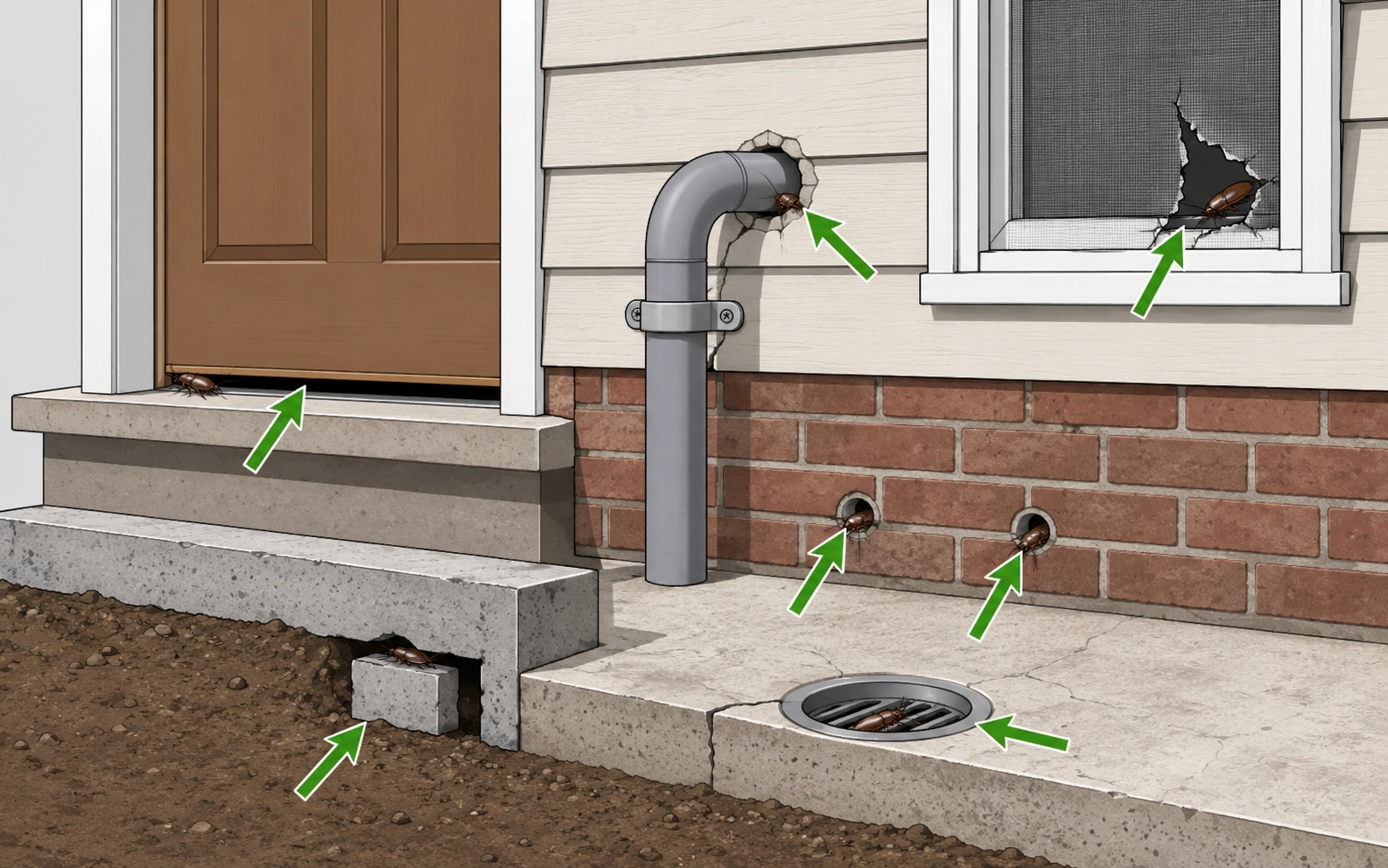
To stop roaches, you need to understand how they breach your defenses. They exploit the smallest vulnerabilities in your home’s exterior:
- Gaps around plumbing pipes under the kitchen sink
- Cracked weatherstripping or gaps under exterior doors
- Torn window screens and weep holes in brick construction
- Floor drains and utility penetrations in the foundation
Roaches also hitchhike inside your home through delivered cardboard boxes, grocery bags, and used appliances. Bright outdoor porch lights attract flying species like the Smokybrown cockroach directly to your front door at night — switching to yellow or amber bulbs can reduce this significantly.
How to Prevent Roaches in Florida Homes
Consistent prevention makes your home significantly less attractive to roaches. Follow this checklist built specifically for Florida conditions:
- Wipe down counters nightly and never leave dirty dishes in the sink overnight.
- Store all food — including pet food — in sealed, airtight containers.
- Take out garbage regularly and use bins with tight-fitting lids both inside and outside the home.
- Fix dripping faucets and leaking AC condenser lines — moisture is a cockroach magnet.
- Run dehumidifiers in damp areas like garages, bathrooms, and laundry rooms.
- Seal cracks in your foundation with silicone caulk and fill gaps around utility pipes where they enter the wall.
- Install tight door sweeps on all exterior doors, especially garage doors.
- Keep mulch at least 12 inches away from your foundation and trim palm fronds and branches that touch your roof.
- Reduce outdoor lighting that attracts flying species — use yellow bulbs or motion-activated lights near entry doors.
- Inspect delivered packages and secondhand items before bringing them inside.
When to Consider Professional Roach Pest Control
While sanitation and sealing help, DIY methods rarely solve a serious Florida roach infestation. Store-bought bait stations and sprays may kill visible individuals, but they fail to penetrate the deep wall voids, plumbing chases, and sub-slab spaces where the main colony breeds. The result is a short-term drop in visible activity followed by a rapid rebound.
Professional treatments provide reliable, long-term results. The experts at McCall Pest & Wildlife possess the specialized training and commercial-grade products to identify the exact species invading your property and deploy targeted solutions that reach the colony at its source. Our cockroach control services are tailored to Florida’s most common species and designed for long-term results.
Stop the Infestation at Its Source
Don’t let roaches take over your Florida home. McCall’s cockroach specialists treat the problem where it starts — not just what you can see. Call 888-409-0938 or request a free inspection online.
Frequently Asked Questions About Roaches in Florida
Are roaches dangerous?
Yes — they pose significant health risks even though they don’t bite or sting. Cockroach droppings, shed exoskeletons, and saliva are well-documented triggers for asthma attacks and allergic reactions, particularly in young children. They also carry bacteria that can contaminate food preparation surfaces and utensils.
Can roaches in Florida fly?
Some species can. The American cockroach and Smokybrown cockroach have fully developed wings and are capable of gliding or flying short distances, especially when temperatures are high or they’re startled. The German cockroach has wings but cannot fly — it spreads entirely by crawling and hitchhiking.
Do roaches spread disease?
Yes. Because cockroaches travel through sewers, garbage dumpsters, and decaying organic matter before walking across your kitchen counters and food prep surfaces, they carry significant bacterial loads. They are known to transmit pathogens associated with food poisoning, dysentery, and diarrhea.
What attracts roaches in Florida?
Cockroaches are attracted primarily to food, moisture, and warmth. Even small amounts of food residue on counters or in sink drains, standing water under a dripping faucet, or a humid crawlspace can draw roaches toward your home. Florida’s climate makes virtually every property somewhat attractive, which is why proactive prevention matters so much.
Where do roaches hide in Florida homes?
The most common hiding spots are behind and under appliances (refrigerators, dishwashers, stoves), under kitchen and bathroom sinks, inside cabinet hinges and drawer slides, in wall voids near plumbing, and in garages or attics with clutter or moisture. German roaches prefer warm, humid areas near food. American roaches favor lower areas — drains, crawlspaces, and utility rooms.
McCall Has Helped Florida Homeowners Fight Roaches for Decades
Our pest specialists know Florida’s species, climate, and conditions better than anyone. Whether you’re dealing with a small problem or a serious infestation, we’re ready to help. Call 888-409-0938 today.