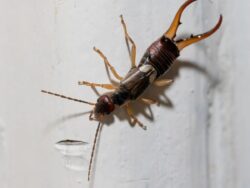
The arrival of December in Tallahassee typically brings cooler weather, leading many to believe that common household pests will finally take a break. While that may be true for some insects, it’s not the case for all of them. If you’ve spotted a dark, slender insect with a pair of pincers on its back end, you’ve likely encountered an earwig. Their presence during the winter months often surprises homeowners, but there are clear reasons why these pests seek refuge indoors. Although earwigs are mostly a nuisance, understanding why they enter your home is the first step toward preventing them. This guide explains why you might be seeing earwigs in winter and what you can do to keep them outside where they belong.
Why Are Earwigs Active in Winter?
The mild, humid climate of Tallahassee provides an ideal environment for earwigs to thrive year-round. Unlike regions with harsh winters, North Florida doesn’t get cold enough to eliminate pest populations. When the temperature does drop, earwigs, like many other pests, look for a more stable environment.
The Search for Shelter and Moisture
Earwigs are driven by a need for moisture and shelter. Outdoors, they thrive in damp, dark places like under mulch, leaf litter, and logs. As outdoor conditions become less predictable in winter—cooler and sometimes drier—your home offers the perfect alternative. They are drawn to areas with high humidity, such as:
- Basements and crawlspaces
- Bathrooms, especially around tubs and sinks
- Laundry rooms
- Kitchens
They enter homes through small cracks and crevices in the foundation, gaps under doors, or openings around utility pipes. Once inside, they find plenty of undisturbed places to hide.
The Problems with an Earwig Infestation
The most intimidating feature of an earwig is the pair of pincers (cerci) on its abdomen. Despite their menacing appearance, earwigs are not aggressive toward humans and their pincers are primarily used for defense and courtship. They are more of a nuisance than a threat.
The main issue with earwigs is their presence. Finding them in your bathroom, kitchen, or basement can be unsettling. In large numbers, they can produce a foul-smelling liquid when disturbed or crushed. While they primarily feed on decaying organic matter and other insects, they may occasionally nibble on soft household plants if other food sources are scarce.
Effective Strategies for Earwig Prevention
A proactive approach focused on exclusion and moisture control is the most effective way to keep earwigs out of your home this winter.
Eliminate Moisture
Since earwigs are drawn to damp environments, reducing moisture is a critical step.
- Repair any leaky faucets, pipes, or drains promptly.
- Use dehumidifiers in damp areas like basements and crawlspaces.
- Ensure bathrooms and laundry rooms are well-ventilated to reduce humidity.
Seal Entry Points
Prevent earwigs from getting inside by sealing any potential access points.
- Inspect your home’s foundation and exterior walls for cracks, and fill them with caulk.
- Install weather stripping on doors and windows to create a tight seal.
- Use screens on all vents and check for gaps around utility lines.
Tidy Up Your Yard
Making the area around your home less hospitable will discourage earwigs from congregating near your foundation.
- Clear away leaf litter, grass clippings, and other organic debris.
- Store firewood on a raised platform at least 20 feet away from the house.
- Adjust your sprinklers to avoid overwatering near the foundation, and ensure gutters direct water away from the home.
A pest control expert can conduct a thorough inspection to identify how and why earwigs are entering your home. They can then implement a targeted management plan to address the infestation and provide recommendations to prevent future issues. Contact a professional pest control service today to ensure your Tallahassee home remains a comfortable, pest-free space this December.