
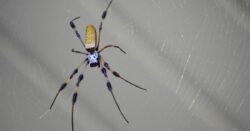
As autumn arrives in Jacksonville, many residents notice an increase in spiders around their homes. This seasonal uptick is driven by natural behaviors like mating and seeking shelter. Understanding why spiders become more visible in fall and knowing which species are common can help homeowners manage their presence effectively. This guide covers fall spider activity in Jacksonville, highlights common species, and offers practical prevention strategies to keep your home comfortable.
Why Spider Activity Increases in the Fall
Spiders are more visible in autumn due to two main behaviors: mating and seeking shelter. For many Florida species, late summer and early fall are peak mating months, during which males roam widely in search of females.
Additionally, cooler fall temperatures prompt spiders and their insect prey to seek warmer, protected environments. Your home offers consistent climate and food sources, making it an attractive refuge.
Common Spiders in Jacksonville Homes
Orb-Weaver Spiders
Recognizable for their large, wheel-shaped webs, orb-weavers like the yellow garden spider and spiny-backed orb-weaver help control flying insects. They rarely enter homes but may build webs near doors and windows.
Southern House Spider
These spiders are often found indoors, building messy webs in dark corners, window sills, and shutters. Females are dark brown or black, while males are lighter brown. They are not medically dangerous.
Black Widow Spider
Known for the red hourglass on their abdomen, black widows are venomous but reclusive. They build irregular webs in undisturbed areas such as sheds, garages, woodpiles, and under furniture. Bites occur only in self-defense.
Effective Prevention Strategies for Your Home
Seal Potential Entry Points
Inspect your home’s exterior for cracks and gaps. Use caulk on walls, foundations, and window/door frames, repair weather stripping, check screens for holes, and cover vents or utility openings with fine mesh.
Modify Your Exterior Environment
Keep shrubs and tree limbs away from the house, remove debris and woodpiles, and consider yellow or sodium vapor exterior lighting to reduce insects that attract spiders.
Maintain Indoor Cleanliness
Vacuum and dust regularly, especially corners, closets, and under furniture. Store items in sealed plastic bins and address other indoor pests to remove spider food sources.
When to Call for Professional Assistance
If preventative measures aren’t enough, a pest control professional can inspect your home, identify species, locate nesting areas, and implement a targeted management plan. This approach not only solves current spider issues but also provides long-term protection.
Concerned about spider activity in your Jacksonville home this October? Contact us today to schedule a pest control inspection and receive expert guidance.