
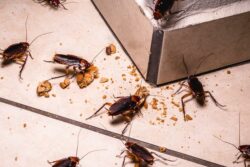
Florida homeowners deal with cockroaches differently than people in most of the country. In states with cold winters, cockroach activity drops off for months at a time. In Florida, it never does. The same heat and humidity that makes our climate so livable for people also makes it ideal for cockroaches — year-round, with no seasonal break.
If you’ve found cockroaches in your home, the first question is almost always: why? The original answer to that question covered five attractants. After years of service calls across Jacksonville, Gainesville, Ocala, Orlando, Tallahassee, Tampa, and the surrounding areas, our technicians have a longer list. This guide walks through all 10, with a practical prevention tip for each one.
Why Cockroaches Invade Florida Homes
Florida has two species that cause the most trouble indoors: the German cockroach and the American cockroach (often called the palmetto bug). They behave differently, but both are drawn inside for the same basic reasons — food, water, warmth, and a safe place to hide.
The rainy season, roughly June through September, is when we see the biggest spikes in service calls. Heavy rainfall floods the mulch beds, storm drains, and soil where American cockroaches nest outdoors, pushing them inside to dry out. German cockroaches don’t need weather as an excuse — they breed indoors year-round and can go from a few bugs in a cabinet to hundreds in a matter of weeks.
10 Things That Attract Cockroaches to Your Home
1. Food Sources: Crumbs, Grease, and Pet Food
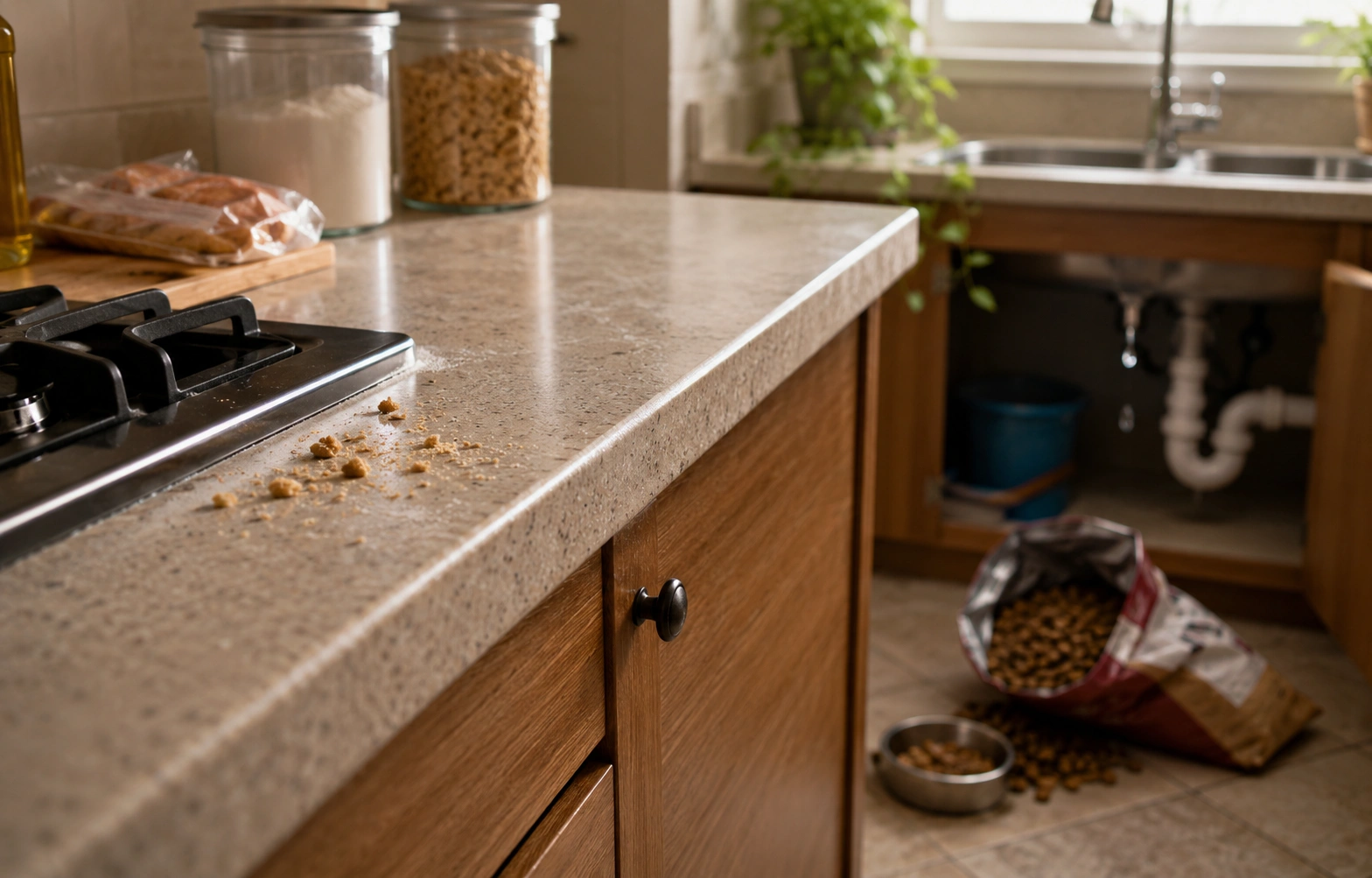
Cockroaches will eat almost anything: crumbs under the stove, a thin film of cooking grease on the backsplash, a half-empty bag of dog food left on the laundry room floor. They don’t need a meal — a scent trail is enough to pull them into a space and keep them coming back.
Prevention tip: Wipe down stovetop surfaces and counters nightly. Store dry pet food in a sealed plastic or metal container, and don’t leave pet bowls out overnight. Sweep under the refrigerator and stove at least once a month — both are common nesting spots that double as food sources.
2. Water and Moisture: Leaky Pipes and Humid Areas
Cockroaches need water more urgently than food. A slow drip under the bathroom sink or a sweating pipe in the utility closet can sustain a colony for months. In Florida, where ambient humidity already runs high, moisture problems compound fast.
Prevention tip: Fix leaky faucets and pipes promptly. Check under sinks and around the base of toilets for slow drips you may not have noticed. Run bathroom exhaust fans during and after showers. In humid months, a dehumidifier in a damp garage or laundry room removes a key resource cockroaches depend on.
3. Clutter and Harborage
Cockroaches don’t need a crack in the wall if you’ve given them a pile of old newspapers, a stack of takeout containers, or a cluttered utility closet. Clutter creates dozens of dark, undisturbed hiding spots in rooms you rarely inspect closely.
Prevention tip: Reduce clutter in storage areas, especially kitchens, garages, and laundry rooms. The less undisturbed space there is, the fewer places cockroaches can nest without being found.
4. Entry Points: Cracks, Gaps, and Weep Holes
American cockroaches can squeeze through a gap as thin as 3mm. Common entry points include gaps around plumbing and electrical penetrations, worn weatherstripping on doors, weep holes in block foundations, unscreened vents, and the space under garage doors.
Prevention tip: Walk the exterior of your home and caulk gaps around pipes, conduit, and cable lines where they enter the foundation or walls. Replace worn door sweeps and weatherstripping. Cover weep holes with wire mesh inserts designed for the purpose — they let moisture escape while keeping pests out.
5. Sanitation and Trash
An uncovered kitchen trash can is one of the most reliable cockroach attractants in any Florida home. The combination of food waste, moisture from packaging, and a dark interior makes it ideal. Outdoor trash cans left against the house extend that attraction to the exterior.
Prevention tip: Use a trash can with a tight-fitting lid inside the kitchen. Empty it every one to two days during warm months. Keep outdoor bins at least a few feet from the foundation and rinse them out monthly to remove residue buildup.
6. Outdoor Vegetation and Landscaping Against the Foundation
This one is specific to Florida. Palm fronds that brush the roofline, dense mulch beds pressed against the foundation, and tropical shrubs planted directly against the house create a covered corridor that leads cockroaches right to your walls. American cockroaches nest in mulch year-round in our climate, and any ground cover touching the foundation shortens the trip from outdoor harborage to indoor gap.
Prevention tip: Keep a 12-to-18-inch cleared buffer between mulch beds and the foundation. Trim palm fronds, shrubs, and ground cover back from contact with exterior walls. Swap dense organic mulch near the house for a less hospitable material like gravel or rock in the immediate foundation zone.
7. Florida’s Warm, Humid Climate
Most parts of the country get a natural reset in winter — cold temperatures kill off exposed insects and slow breeding. Florida doesn’t get that reset. Cockroaches in Jacksonville or Tampa are just as active in January as they are in August. Populations that build up indoors don’t die off when the weather cools. They just keep going.
Prevention tip: Year-round pest control is the only reliable answer to a year-round pest. A professional cockroach pest control program applies treatments on a schedule that matches Florida’s constant activity cycle, rather than a northern model that accounts for seasonal die-off.
8. Neighboring Units and Shared Walls
If you live in an apartment, condo, or townhome, what your neighbors do matters. Cockroaches travel through shared wall voids, under doors, through plumbing chases, and along conduit runs. A treated unit next to an untreated one sees re-infestation repeatedly until the whole building is addressed.
Prevention tip: Install door sweeps on unit entry doors and any interior shared-wall doors. Seal gaps around plumbing penetrations under sinks with caulk or foam. If you’re a renter dealing with repeated infestations despite personal prevention, flag the issue to building management in writing and request a building-wide inspection.
9. Cardboard Boxes and Paper Bags
Cardboard is a cockroach magnet, and most people have no idea. German cockroaches in particular nest inside the corrugated flutes of cardboard boxes and lay egg cases inside the material. Paper grocery bags stored under the sink or in the pantry create similar harborage. Both are common in Florida garages and storage areas where humidity accelerates the breakdown of the material into an even more attractive nesting medium.
Prevention tip: Switch from cardboard to plastic storage bins with lids for anything stored in the garage, pantry, or utility areas. Break down and recycle cardboard promptly rather than letting boxes accumulate.
10. Sewer and Drain Systems
American cockroaches breed in sewer systems. In Florida’s urban areas, the sewer and stormwater infrastructure is a reservoir of cockroach activity that connects directly to homes through drain lines. A cockroach coming up through a floor drain, a P-trap that has dried out, or a cracked sewer cleanout access point isn’t unusual — it’s a regular service call.
Prevention tip: Keep P-traps in rarely used floor drains, laundry tubs, and basement sinks filled with water (run water down them monthly if they don’t see regular use). Check sewer cleanout caps in the yard for cracks or missing covers. If you’re seeing large cockroaches specifically in bathrooms, the drain system is the first place to investigate.
Signs You Have a Cockroach Infestation
Sometimes the first sign is a live roach. More often it’s the evidence they leave behind. Here’s what to look for before you ever see one.
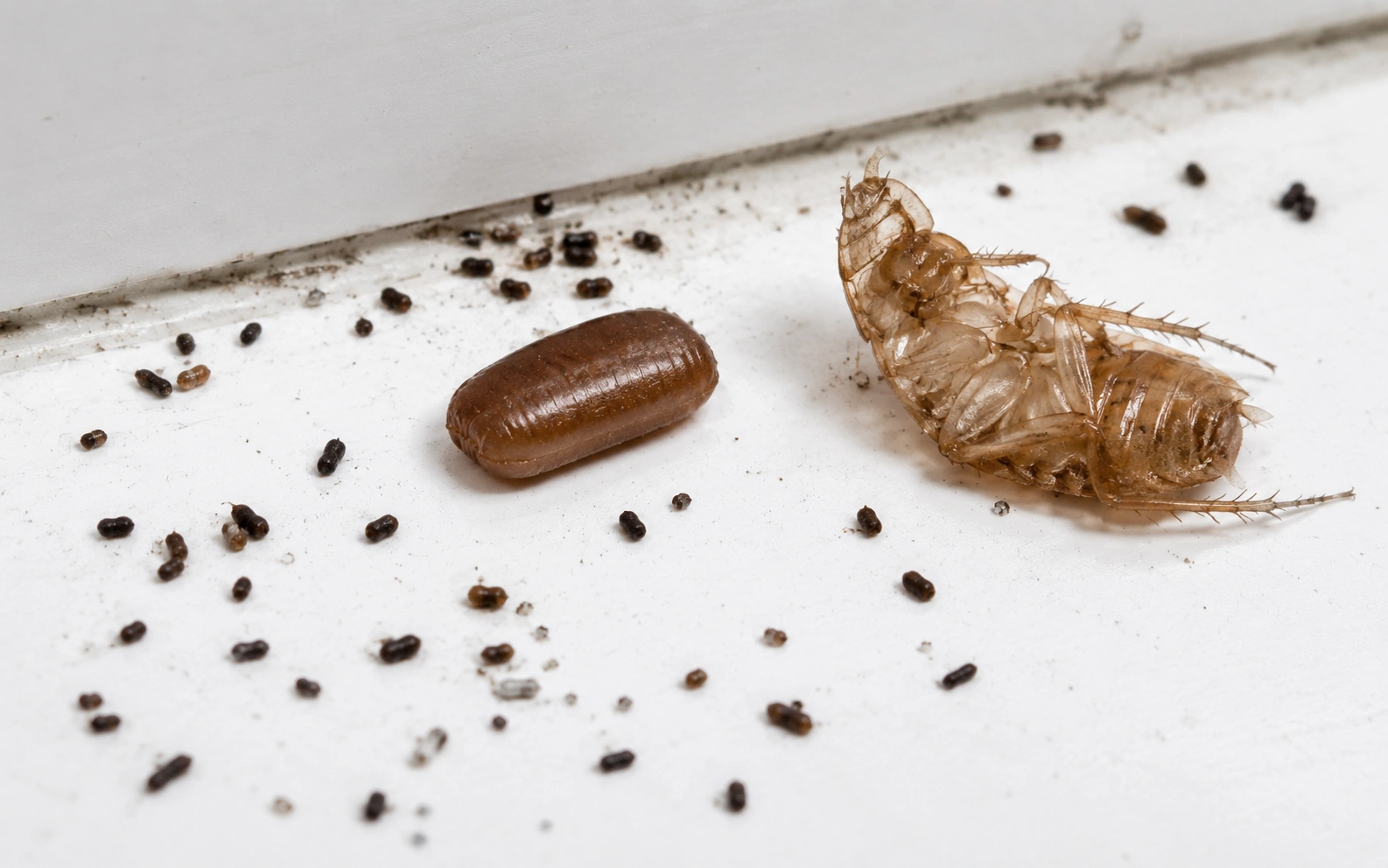
- Droppings. Small, dark, and pepper-like in the case of German cockroaches. American cockroach droppings are slightly larger and cylindrical. Look in cabinet corners, along the back edges of shelves, under the refrigerator, and behind the stove.
- Egg cases (oothecae). Brown or reddish-brown oval capsules, about 8–10mm long. A single German cockroach ootheca holds up to 48 eggs. Finding one empty casing means dozens of nymphs have already hatched.
- Shed skins. Cockroaches molt multiple times as they grow. Finding pale, translucent shed skins near baseboards or in cabinet corners indicates an active population nearby.
- Musty or oily odor. A well-established cockroach infestation has a distinct smell — damp, slightly oily, and musty. If a pantry, cabinet, or bathroom has that odor with no obvious moisture source, cockroaches are a likely explanation.
- Daytime sightings. Cockroaches are nocturnal. Seeing one during daylight hours usually means the population has grown large enough that bugs are being pushed out of their hiding spots to find new territory. A daytime sighting is a more urgent signal than one at 2 AM.
(Seeing any of these signs? Schedule a free McCall inspection and we’ll confirm what you’re dealing with.)
Room-by-Room Prevention Guide
Kitchen
- Seal food in airtight containers
- Wipe stovetop and counters nightly
- Empty trash every 1–2 days
- Fix drips under the sink immediately
- Pull fridge and stove out quarterly to clean behind
- Store pet food in a sealed bin
Bathroom
- Run exhaust fan during and after showers
- Check for slow drips under the vanity monthly
- Run water through rarely used drains
- Seal gaps around pipe penetrations under the sink
- Check grout and caulk around the tub for cracks
Garage
- Replace cardboard boxes with sealed plastic bins
- Install a door sweep on the garage-to-house door
- Keep the garage floor clear of debris
- Check the gap under the garage door for wear
- Move firewood and mulch away from the exterior wall
When to Call a Professional for Cockroach Pest Control
Store-bought sprays and bait stations kill individual roaches. They don’t reach the nesting sites. A German cockroach colony inside a wall void or under a cabinet kickboard is insulated from anything you spray on the surface. American cockroaches coming up from the sewer line are going to keep coming as long as the entry point exists.
Professional cockroach extermination is different in two specific ways. First, the products. Licensed technicians use gel baits, insect growth regulators (IGRs), and residual treatments that aren’t available at retail — and apply them where the cockroaches actually are, not just where you can see them. Second, the protocol. A professional inspection identifies the source (drain line, wall void, mulch bed, neighboring unit), not just the symptom. Treating the source is what stops recurring infestations.
At McCall, our cockroach pest control service covers inspection, treatment, and follow-up across all of our Florida service areas: Jacksonville, Gainesville, Ocala, Orlando, Tallahassee, Tampa, and surrounding communities. If the problem comes back between scheduled visits, we come back too.
Frequently Asked Questions About Cockroach Pest Control
What attracts cockroaches to a clean house?
Cockroaches don’t need a dirty house — they need water, warmth, and shelter. A small drip under the kitchen sink, a bag of pet food left open, or cardboard boxes stored in a humid garage are enough to attract them. In Florida, the combination of year-round heat and high humidity means even well-kept homes are targets.
What is the most effective cockroach pest control method in Florida?
The most effective approach combines exclusion (sealing entry points), sanitation (removing food and water sources), and professional treatment using gel baits, IGRs, and targeted residual sprays. DIY sprays and store-bought traps rarely reach the nesting sites, which is why professional cockroach pest control produces better and longer-lasting results.
How do I know if I have a cockroach infestation?
The clearest signs are dark pepper-like droppings in cabinet corners or behind appliances, oval brown egg cases (oothecae), a musty or oily odor in the kitchen or bathroom, shed skins near baseboards, and spotting live roaches during the day. Daytime sightings are particularly telling — it usually means the population has grown large enough to push bugs out of their hiding spots.
Are cockroaches in Florida active year-round?
Yes. Unlike northern states where cold winters slow cockroach activity, Florida’s warm climate keeps cockroaches active every month of the year. American cockroaches and German cockroaches both thrive in Florida temperatures and actually increase indoor invasions during the rainy season (June through September), when heavy rainfall drives them out of outdoor harborage sites and into homes.
Can I get rid of cockroaches on my own?
Over-the-counter sprays and bait stations can kill individual roaches but rarely eliminate an infestation. Cockroaches nest deep inside wall voids, under slabs, and in sewer lines — places consumer products can’t reach. Professional cockroach extermination targets the nesting sites directly, uses products not available at retail, and includes a follow-up protocol to catch any remaining activity.
Ready to get cockroaches out of your Florida home for good?
Schedule Your Free Cockroach Inspection
Get a Free Roach Infestation Quote